
Gas vs. Electric vs. Induction Cooktops: Choosing the Best for Your Kitchen
Fri Aug 29 2025
- Appliances
When it comes to upgrading your kitchen, the cooktop is one of the most important decisions you’ll make. With options like gas, electric, and induction, each comes with unique benefits and drawbacks. If you’re asking yourself, “What is the best type of cooktop?” this guide will walk you through everything you need to know.
We’ll explore how each type works, what makes them stand out, and what you should consider before making your choice.
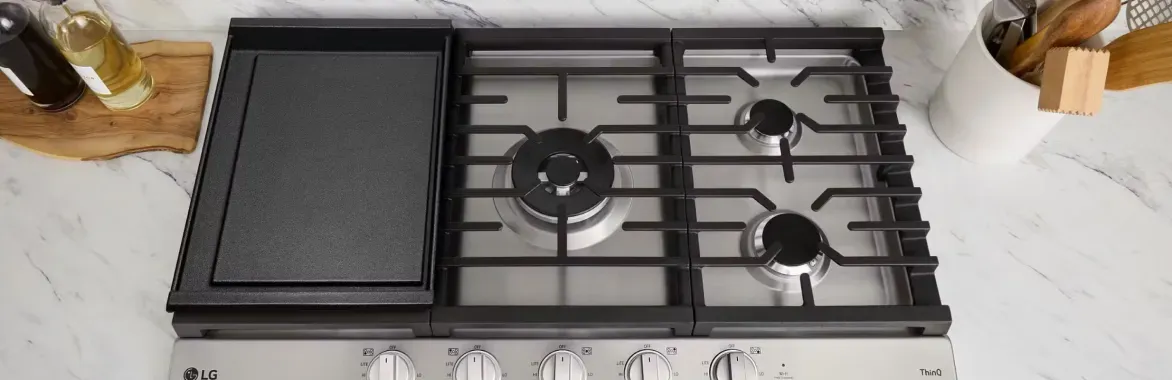
Gas Cooktops
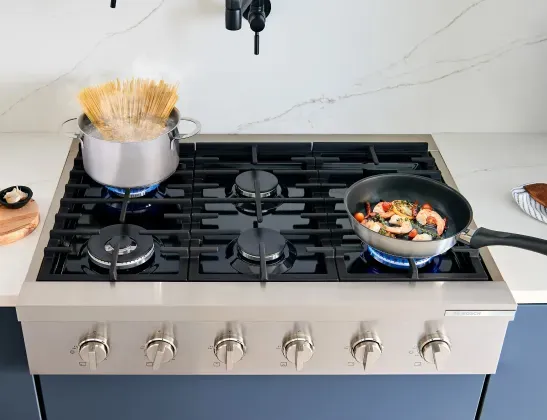
Gas cooktops have been a kitchen favorite for decades, especially among home chefs who value precision. They use an open flame that provides both heat and visual feedback, making it easier to control the cooking process.
Many people who love to cook prefer gas because of the quick response time and the ability to see exactly how much heat they’re using. However, gas cooktops do require a gas line connection, which can impact installation costs if your kitchen isn’t already equipped.
Here are some of the pros and cons of gas cooktops.
Pros
-
Instant heat and control: Flame adjusts quickly for immediate temperature changes, making gas ideal for delicate recipes or fast searing.
-
Visual feedback: You can see the flame size and adjust accordingly, giving you confidence in your cooking.
-
Works with any cookware: No need to buy special pots or pans, gas works with everything from cast iron to stainless steel.
-
Even heating with multiple burners: Great for multitasking when cooking large or complex meals.
Cons
-
Installation requirements: Needs a gas line, which can add to setup costs and limit placement options.
-
Less energy efficient: Heat can escape around the pan, resulting in less energy being transferred to your food.
-
Cleaning challenges: Grates and burners can be harder to clean than smooth cooktop surfaces.

Electric Cooktops
Electric cooktops use radiant or coil heating elements to cook food and are widely available, making them a common choice for many households. They’re particularly known for their sleek, flat glass surfaces, which offer a modern look and make cleaning easier.
While they don’t heat as quickly as gas or induction, they’re dependable and often more budget-friendly upfront. If you don’t have access to a gas line and don’t want to invest in induction cookware, an electric cooktop can be a practical choice.
Here are some of the pros and cons of electric cooktops to consider.
Pros
-
Smooth glass-top options: These models are easy to clean and add a sleek, modern aesthetic to your kitchen.
-
Stable heating surface: Flat burners provide stability for pots and pans, reducing the chance of spills.
-
Lower upfront cost: Usually less expensive to purchase than gas or induction models, making them a budget-friendly option.
-
No gas line needed: Can be installed in any kitchen with the proper electrical wiring, offering more flexibility.
Cons
-
Slower heating and cooling: Takes longer to adjust temperatures compared to gas or induction.
-
Residual heat: The cooktop surface stays hot even after turning off, which can pose a safety risk.
-
Energy usage: Less efficient overall, since heat is transferred indirectly to cookware.
Induction Cooktops
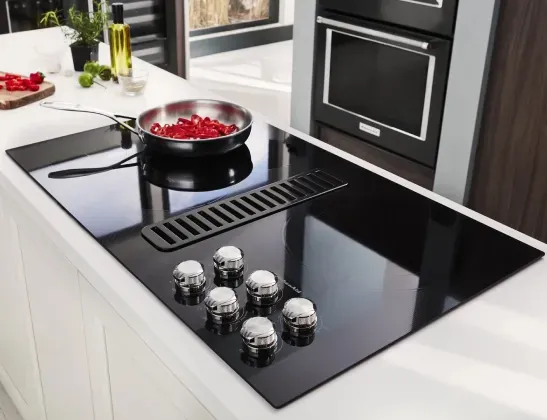
Induction cooktops are the newest technology on the market, using electromagnetic energy to heat cookware directly rather than heating the cooktop surface. This makes them incredibly efficient and precise.
Induction cooktops are often praised for their ability to boil water faster than gas or electric, and their surfaces remain cool to the touch, which adds an extra layer of safety. However, they do require compatible magnetic cookware and tend to come with higher upfront costs.
Here are more of the pros and cons to consider with induction cooktops.
Pros
-
Fast and precise heating: Cooking times on induction cooktops are the fastest of all three types. Induction technology allows water to boil in minutes and responds instantly to temperature changes.
-
Energy efficient: Because the energy transfers directly into the cookware, there’s minimal heat loss.
-
Cool-to-touch surface: Only the pan gets hot, making induction one of the safest options for families with children.
-
Easy to clean: The smooth surface doesn’t heat up much, so spills don’t bake onto the cooktop.
Cons
-
Cookware requirement: Only works with magnetic pots and pans (like cast iron and stainless steel). Aluminum, copper, and glass won’t work unless they have an induction base.
-
Higher upfront cost: Induction cooktops are generally more expensive than both gas and electric options.
-
Requires compatible power supply: Some kitchens may need upgraded electrical wiring to support induction.
Gas vs. Electric vs. Induction: Which Should You Choose?
When comparing gas vs. electric vs. induction cooktops, the right choice depends on your kitchen setup and cooking style. Here are some general recommendations.
-
Choose gas if: You want precise, visual control and already have a gas line installed.
-
Choose electric if: You’re looking for affordability and easy installation without needing a gas hookup.
-
Choose induction if: You want the most efficient, safe, and modern option with lightning-fast heating.
Cooktop Buying Guide: What to Consider
Deciding on the best type of cooktop involves more than just price. Consider the following before making your purchase:
-
Budget: Electric cooktops are usually the most affordable, while induction models are the most expensive due to advanced technology. Remember to also consider the long-term cost of energy usage, as induction may save you money on utilities over time.
-
Cooking habits: If you cook often and value control, gas or induction may be worth the investment. Occasional cooks may prefer electric for its simplicity. Think about the kinds of meals you prepare most frequently and which cooktop will help you prepare them most efficiently.
-
Kitchen setup: Do you already have a gas line or the right electrical capacity? Installation may affect your choice. Gas requires a professional hookup, while induction may need upgraded wiring.
-
Safety: Induction cooktops are the safest, with surfaces that stay cool and child lock features. Gas comes with open flames, so it may not be ideal for families with small children.
-
Cookware: Make sure your pots and pans are compatible with induction if that’s your chosen option. Gas and electric cooktops are more versatile in this regard.
-
Cleaning and maintenance: Smooth-surface electric and induction cooktops are much easier to wipe down, while gas requires more effort to keep burners and grates clean.
-
Cooking times: Consider how quickly you need your meals prepared. Gas and induction offer faster heating, while electric tends to be slower but steady.
-
Rebates: Shop sales and rebates to get the best bargain on your purchase.
Shop Cooktops at DeWaard & Bode
Ready to purchase a new cooktop or want to shop in person? Visit a DeWaard & Bode appliance showroom in Bellingham and Burlington, Washington, to evaluate your cooktop options in person. Our appliance experts will guide you to find the best cooktop for your kitchen.
While you’re visiting, browse our selection of refrigerators, ranges, wall ovens, dishwashers, and more. We also offer delivery and installation services to ensure your complete care throughout the entire process.
Related readings from our blog:
FAQ: Cooktop Types
What is the difference between a cooktop and a range?
A cooktop is a flat cooking surface installed in countertops, while a range combines a cooktop and an oven in one appliance.
If you purchase a cooktop, you’ll need an accompanying wall oven in order to bake.
Which is safer: gas, electric, or induction?
Induction cooktops are the safest since the surface stays cool to the touch and only the pan gets hot. Gas and electric remain hot after cooking.
Which type of cooktop is most energy efficient?
Induction is the most energy efficient since it transfers heat directly into cookware with minimal heat loss compared to gas or electric.
What is the average lifespan of a cooktop?
Most cooktops last between 10 and 15 years with proper maintenance. Gas models often last longer due to simpler components.
Related Articles