
How to Inspect a Scratch and Dent Appliance Before Buying
Fri Jun 05 2026
- Appliances
Buying a discounted appliance can be a smart way to save money, especially when you know what to look for. Many homeowners searching for tips on buying scratch and dent appliances are surprised to learn that many of these products are brand-new, fully functional units with only minor cosmetic imperfections.
However, not all outlet appliances are the same. Knowing how to properly inspect outlet appliances before making a purchase can help you maximize your savings while avoiding unexpected issues.
At DeWaard & Bode, our appliance experts help shoppers throughout Bellingham, WA, Burlington, WA, and surrounding communities find exceptional values on scratch and dent appliances. This guide will walk you through the key areas to inspect so you can shop with confidence.
Key Takeaways: How to Inspect a Scratch and Dent Appliance Before Buying
-
Most scratch and dent appliances have cosmetic damage rather than functional issues.
-
Always inspect the location and severity of dents, scratches, and blemishes.
-
Check doors, drawers, hinges, and seals to ensure proper operation.
-
Ask about warranties, return policies, and appliance history.
-
Verify that all accessories and components are included.
-
Buying from a trusted retailer can help reduce risk and increase value.
-
DeWaard & Bode experts in Bellingham and Burlington can help you evaluate outlet appliances before purchasing.

What Are Scratch and Dent Appliances?
Scratch and dent appliances are typically new or lightly handled products that have cosmetic imperfections.
Common reasons an appliance becomes a scratch and dent item include:
-
Minor shipping damage
-
Warehouse handling marks
-
Floor model wear
-
Open-box returns
-
Packaging damage
In many cases, these imperfections are located on the sides, back, or other areas that won't be visible once the appliance is installed.
Because the damage is cosmetic, shoppers can often save hundreds of dollars compared to buying the same appliance at full retail price.
Why Inspection Matters
While many scratch and dent appliances offer excellent value, it's important to inspect them carefully before purchasing.
Not all cosmetic damage is equal. A small scratch on the side panel may be insignificant, while damage to a refrigerator door seal or washer lid could impact performance.
Taking a few extra minutes to inspect the appliance can help ensure you're getting a great deal rather than an unexpected repair project.
Step 1: Examine the Exterior Carefully
The first step when buying scratch and dent appliances is evaluating the cosmetic damage.
Look for:
-
Scratches
-
Dents
-
Chips
-
Paint damage
-
Cracks in plastic components
Pay close attention to where the damage is located.
Damage That Is Usually Less Concerning
-
Side panel dents
-
Rear panel scratches
-
Small cosmetic marks hidden after installation
Damage That Deserves More Attention
-
Control panel damage
-
Door damage
-
Handle damage
-
Visible front-facing dents
-
Cracked trim pieces
The location of the imperfection often matters more than the size.

Step 2: Check Doors, Drawers, and Hinges
Appliance doors and drawers are frequently used and should operate smoothly throughout the life of the appliance. Even if cosmetic damage appears minor, it's important to ensure that doors, hinges, and moving components function properly.
Refrigerators
Open and close all refrigerator and freezer doors several times to check for smooth operation. Doors should align properly with the cabinet and create a tight seal when closed. Take a close look at the door gaskets and ensure there are no tears, gaps, or areas that could allow cold air to escape. Even a small alignment issue can affect energy efficiency and cooling performance over time.
Dishwashers
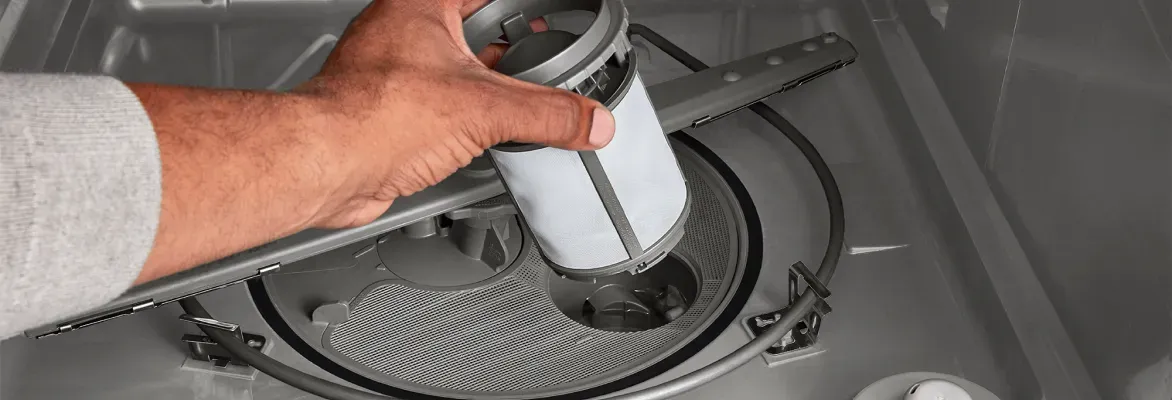
Inspect the dishwasher door to make sure it opens and closes without resistance and latches securely. Slide the racks in and out to verify they move smoothly and aren't bent or damaged. Look for signs of damage around the door frame or hinges that could affect long-term performance. A properly functioning door seal is especially important for preventing leaks during operation.
Laundry Appliances
For washers and dryers, test the door or lid several times and make sure it closes completely. Check the hinges for any signs of bending, looseness, or damage that may have occurred during shipping or handling. On front-load washers, inspect the door alignment carefully, as improper sealing can lead to leaks or performance issues. Smooth operation now can help prevent service calls later.
A dent that affects door alignment or hinge performance may be more significant than a purely cosmetic blemish and deserves additional scrutiny before purchasing.
Step 3: Inspect Seals and Gaskets
Many buyers focus only on visible dents and scratches but overlook seals.
This is a mistake because damaged seals can affect efficiency and performance.
Inspect:
-
Refrigerator door gaskets
-
Freezer seals
-
Dishwasher door seals
-
Washer door boots on front-load machines
A proper seal helps maintain temperature, prevent leaks, and reduce energy consumption.
Step 4: Look for Missing Parts and Accessories
One of the most important used appliance buying tips is verifying that everything is included.
Check for:
-
Shelves
-
Bins
-
Ice maker components
-
Installation hardware
-
User manuals
-
Racks and trays
Replacing missing parts can add unexpected costs to what initially seemed like a great bargain.
Step 5: Ask About Appliance History
Before purchasing, ask the retailer why the appliance is discounted.
Common scenarios include:
-
Floor model display
-
Open-box return
-
Shipping damage
-
Overstock inventory
Understanding the appliance's history provides valuable context and helps you evaluate the deal more accurately.
Step 6: Verify Warranty Coverage
One of the biggest concerns shoppers have when buying outlet appliances is warranty protection.
The good news is that many scratch and dent appliances still qualify for manufacturer warranties.
Ask:
-
Does the original warranty apply?
-
Is warranty coverage reduced?
-
Are extended protection plans available?
According to the experts at DeWaard & Bode, warranty coverage is often one of the most important factors to consider when comparing scratch and dent inventory.
Step 7: Confirm Return and Exchange Policies
Every retailer handles outlet sales differently.
Before making a purchase, understand:
-
Return deadlines
-
Exchange options
-
Restocking fees
-
Delivery policies
Knowing these details ahead of time helps avoid surprises if the appliance isn't the right fit.
Step 8: Consider Installation Location
A dent that looks noticeable in a showroom may never be seen once installed.
Before rejecting an appliance over cosmetic damage, consider:
-
Which side will face a wall?
-
Will cabinetry hide the imperfection?
-
Is the scratch visible during everyday use?
Many homeowners find that minor cosmetic flaws become virtually invisible after installation.
Common Mistakes to Avoid When Buying Scratch and Dent Appliances
Avoid these common shopper mistakes:
Focusing Only on Price
A low price is appealing, but condition and functionality matter just as much. An appliance with a slightly higher price but fewer issues may ultimately provide better value. Always evaluate the overall condition rather than assuming the cheapest option is the best deal.
Ignoring Warranty Information
Always understand what protection is included before making a purchase. Warranty coverage can vary significantly between retailers and appliance types. Taking a few minutes to ask about warranty terms can help you avoid unexpected repair costs in the future.
Overlooking Missing Components
Replacement shelves, bins, racks, and accessories can be surprisingly expensive. Before purchasing, verify that all included components are present and in good condition. A discounted appliance may not be as great of a bargain if you need to spend additional money replacing missing parts.
Not Measuring the Space
Even discounted appliances need to fit your home correctly. Measure the appliance opening, surrounding cabinetry, doorways, hallways, and delivery paths before making a purchase. This simple step can prevent costly delivery issues and installation delays.
Buying Without Inspection
Never assume all cosmetic damage is minor without evaluating it yourself. What appears to be a small dent could potentially affect doors, seals, or internal components depending on its location. A thorough inspection helps ensure you're getting the savings you expect without sacrificing performance or reliability.
Are Scratch and Dent Appliances Worth It?
For many homeowners, the answer is yes.
Scratch and dent appliances can provide:
-
Significant cost savings
-
Access to premium brands
-
Better value for larger appliance packages
-
Opportunities to purchase upgraded features within budget
As long as the appliance has been properly inspected, many buyers find the savings well worth the minor cosmetic imperfections.
Shop Scratch and Dent Appliances at DeWaard & Bode
If you're looking for high-value appliance deals in Bellingham, WA, Burlington, WA, or nearby communities, DeWaard & Bode can help.
Our appliance experts carefully evaluate scratch and dent inventory and help shoppers understand the condition, warranty coverage, and overall value of each appliance. Whether you're upgrading your kitchen, replacing a laundry appliance, or furnishing a new home, our team can help you find quality appliances at discounted prices.
Visit a DeWaard & Bode appliance outlet showroom in Bellingham or Burlington, Washington today to explore available outlet inventory and discover exceptional savings on trusted appliance brands.
Contact us or ask about our delivery and installation services to ensure your scratch and dent appliances are installed with care and professionalism into your home.
Related readings from our blog:
FAQs: How to Inspect a Scratch and Dent Appliance Before Buying
Can you trust scratch and dent appliances?
Yes, many scratch and dent appliances are fully functional and only discounted because of cosmetic imperfections. These appliances may have minor scratches, dents, or handling marks that do not affect performance. However, it is important to inspect the appliance carefully and understand its condition before purchasing. Buying from a reputable retailer adds another layer of confidence.
What should I inspect before buying a scratch and dent appliance?
You should inspect the exterior condition, doors, drawers, seals, and included accessories. Look for any damage that could affect functionality rather than focusing only on cosmetic flaws. It's also a good idea to ask about the appliance's history and warranty coverage. A thorough inspection helps ensure you're getting a good value.
Do scratch and dent appliances come with warranties?
Many scratch and dent appliances still include full or partial manufacturer warranty coverage. Warranty terms can vary depending on the retailer and the reason the appliance was discounted. Always ask what coverage applies before making a purchase. Understanding warranty protection can help you buy with greater peace of mind.
Are scratch and dent appliances worth buying?
For many shoppers, scratch and dent appliances offer excellent value because they provide significant savings on quality products. Minor cosmetic imperfections often have little impact once the appliance is installed. As long as the appliance functions properly and has been carefully inspected, it can be a smart financial decision. Many homeowners use scratch and dent inventory to access higher-end appliances within their budget.
Related Articles