
How to Prepare Your Outdoor Appliances for Winter Storage
Fri Sep 26 2025
- Outdoor Cooking
Outdoor appliances like grills, refrigerators, and patio heaters make backyard living enjoyable, but they need proper care before winter arrives. Cold temperatures, moisture, and long periods of disuse can damage your investment if not handled correctly. Preparing your outdoor appliances for storage ensures they’ll be ready to use once warmer weather returns.
Why Winterizing Outdoor Appliances Matters
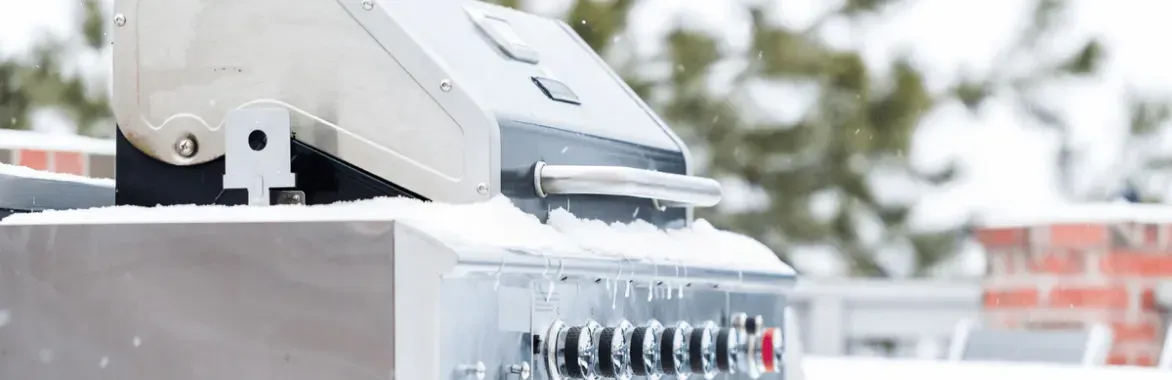
Leaving outdoor appliances exposed during the winter can lead to rust, frozen components, mold, or even electrical issues. By taking time to clean, protect, and store them properly, you extend their lifespan, save money on repairs, and make spring setup much easier.
Step 1: Clean Thoroughly
-
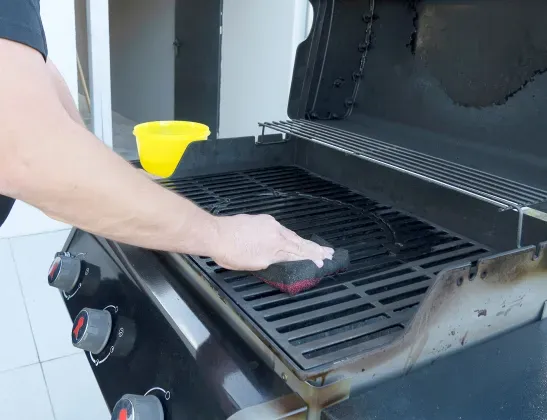
Grills: Remove grates, burners, and grease trays. Scrub them with warm, soapy water and a grill brush to eliminate grease and food residue. Empty ash catchers if you use charcoal.
-
Outdoor Refrigerators & Coolers: Defrost and wipe down the interior with a mild cleaner. Leave the door open slightly during storage to prevent odors and mold.
-
Patio Heaters: Wipe down the exterior to remove dust and residue. Check for soot buildup around the burner and clean if necessary.
Step 2: Disconnect and Inspect
-
Turn off and disconnect gas lines from grills and patio heaters. Store propane tanks in a cool, ventilated space away from your home.
-
Unplug refrigerators, coolers, and other electric appliances before storage. Inspect power cords for wear and replace if needed.
-
Check for damage such as rust spots, cracked seals, or loose parts, and address repairs now rather than waiting until spring.
Step 3: Protect with Covers or Storage
-
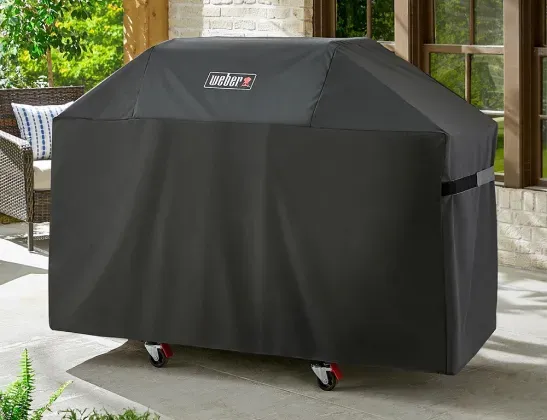
Invest in weather-resistant covers specifically designed for your appliance to protect against snow, ice, and moisture.
-
Store smaller appliances indoors if possible; garages, sheds, or basements work best.
-
Elevate appliances off the ground to avoid contact with water and prevent rusting.
Step 4: Special Tips for Refrigerators and Freezers
-
Always fully defrost before storage to prevent damage from expanding ice.
-
Clean door seals and apply a thin layer of petroleum jelly to keep them flexible.
-
Keep doors propped open to ensure airflow and prevent musty odors.
Step 5: Double-Check Before Spring
When it’s time to bring your appliances back outside, inspect for wear, test electrical or gas connections, and give them another quick clean before use. Proper winter storage makes this process faster and hassle-free.
Keep Your Outdoor Appliances in Top Shape with DeWaard & Bode
At DeWaard & Bode, we carry a wide range of high-quality outdoor appliances designed to handle the elements. From grills to outdoor refrigerators, our team can help you choose appliances built for durability and provide expert guidance on how to maintain them year-round.
Visit our appliance stores in Bellingham and Burlington, Washington, or contact us online for service, parts, and expert advice. We also offer delivery and installation services to ensure your complete care throughout the entire process.
Related readings from our blog:
FAQs: Winterizing Outdoor Appliances
Do I need to cover my grill in winter?
Yes. A weather-resistant cover protects your grill from snow, ice, and rust. If possible, store it in a sheltered space for extra protection.
Can I leave my outdoor refrigerator plugged in during the winter?
No. It’s best to unplug, defrost, and clean your outdoor refrigerator before storage. Leaving it plugged in during freezing temperatures can damage the components.
How do I prevent odors in stored refrigerators or freezers?
Keep the doors propped open slightly during storage to ensure airflow and prevent mold or musty smells.
When should I start winterizing outdoor appliances?
Ideally, begin the process in early fall before the first frost to ensure everything is cleaned, disconnected, and protected in time for colder weather.
Related Articles