
How to Troubleshoot Common Dishwasher Problems
Tue Jul 29 2025
- Dishwasher
A dishwasher is one of the hardest-working appliances in your kitchen. But when it stops cleaning like it should, it can throw off your entire routine. Before you call for a repair, here are a few simple ways to troubleshoot common dishwasher issues and potentially fix the problem yourself.
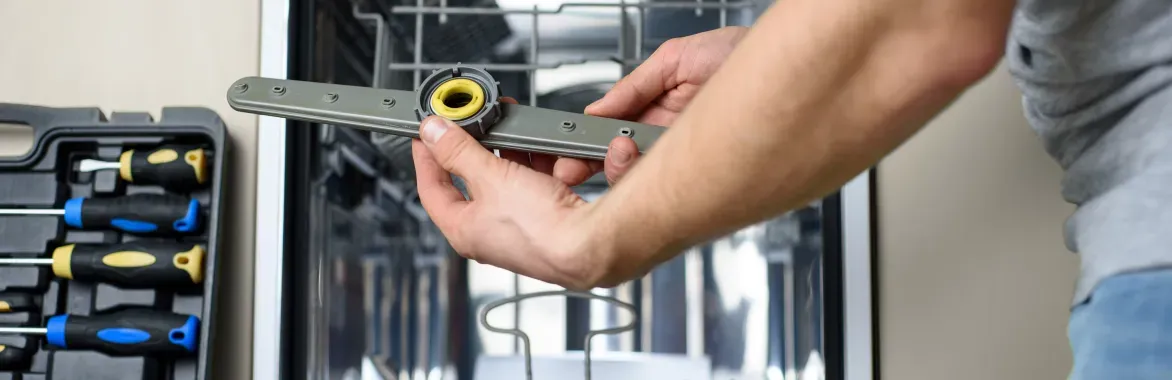
Dishwasher Not Cleaning Dishes Properly
If your dishes are still dirty after a cycle, here are a few things to check:
-
Spray arms: Make sure nothing is blocking the spray arms from spinning, and check for clogs in the spray holes. Remove and rinse them if needed.
-
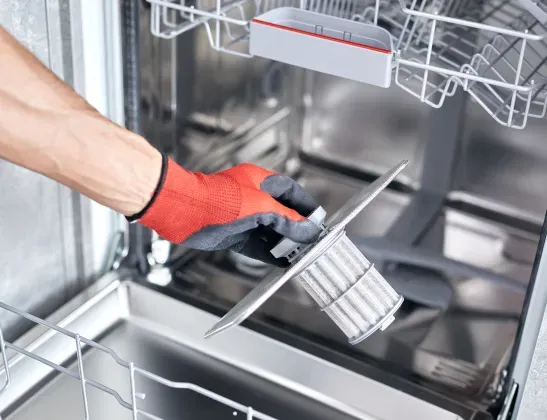
Filter: A dirty filter can restrict water flow. Clean the filter at the bottom of your dishwasher to improve performance.
-
Detergent: Use high-quality detergent, and ensure you're not overloading the dishwasher.
-
Water temperature: Hot water cleans better. Run the sink until the water is hot before starting the dishwasher.
Dishwasher Not Draining
Standing water at the bottom of your dishwasher could mean a draining issue.
-
Drain hose: Check for kinks or clogs in the drain hose.
-
Garbage disposal connection: If you recently installed or used a disposal, make sure the knockout plug was removed.
-
Filter and drain: Clear any debris that might be blocking the drain area inside the dishwasher.
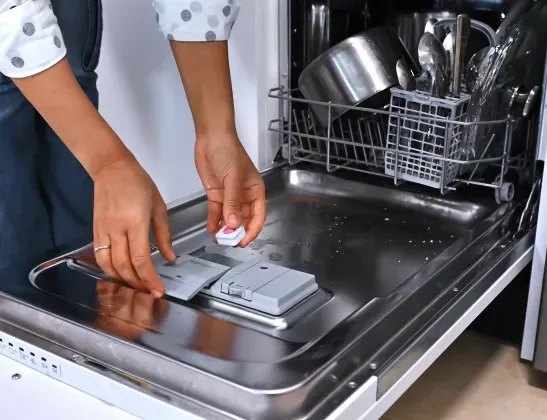
Dishwasher Is Leaking
Water on the floor after a cycle? Try these quick checks:
-
Door gasket: Inspect the rubber seal around the door for cracks or food buildup.
-
Detergent: Only use dishwasher detergent, never dish soap, and don’t overfill the dispenser.
-
Overloading: Too many dishes can block the spray arms or door from sealing properly.
Dishwasher Smells Bad
If your dishwasher has an unpleasant odor:
-
Clean the filter: Food particles can build up and cause odors over time.
-
Run a cleaning cycle: Use a dishwasher cleaner or run a hot cycle with a cup of white vinegar.
-
Leave the door ajar: Letting the door stay open a crack between uses can help prevent moisture buildup and mold.
Buttons Not Responding
When your dishwasher doesn’t seem to power on or respond to settings:
-
Child lock: Many models have a control lock feature. Check the manual to turn it off.
-
Power supply: Make sure the appliance is plugged in and the breaker hasn’t tripped.
-
Reset: Try resetting the dishwasher by turning off the circuit breaker for a few minutes.
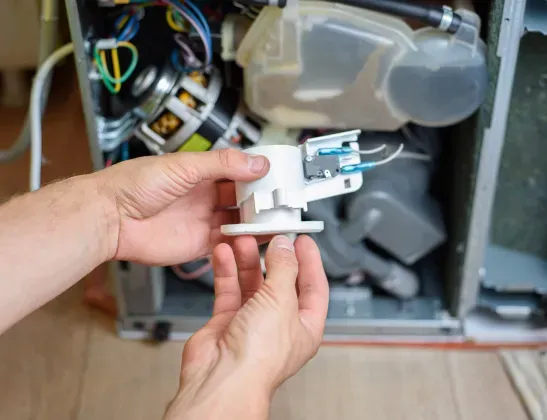
When to Call a Professional
If you’ve tried these steps and your dishwasher still isn’t working properly, it might be time to contact a professional service technician. Unusual noises, electrical issues, or persistent leaks often require expert repair.
Shop Dishwashers Near You at DeWaard & Bode
If it’s time for a replacement, we carry top-rated dishwashers that blend powerful performance with quiet operation and sleek design. Contact us or visit one of our appliance stores in Bellingham or Burlington, Washington, to explore the latest models.
From smart features and third racks to energy efficiency and trusted brands, we’ll help you find the perfect fit for your kitchen and lifestyle. We also offer expert installation and service to make your experience seamless from start to finish.
Related readings from our blog:
FAQs About Dishwasher Problems
1. Why is my dishwasher not starting?
Check the power connection, ensure the door is fully closed, and verify that the child lock or delay start feature is not activated.
2. Why are my dishes cloudy or spotted after washing?
Hard water could be the cause. Try using a rinse aid and ensure you’re using the right amount of detergent.
3. Can I use regular dish soap in my dishwasher?
No, only use detergent specifically made for dishwashers. Regular soap can cause excessive suds and leaks.
4. When should I replace my dishwasher instead of repairing it?
If your dishwasher is over 10 years old, needs frequent repairs, or no longer cleans effectively, it may be time to shop for a new one.
Related Articles