
What is an Induction Cooktop?
Tue Jan 31 2023
- Cooking
Tired of uneven heating? Induction cooktops are the future of kitchens, offering a sleek, safe, and super-charged cooking experience. Unlike traditional gas and electric stoves, induction uses magnetic magic to directly heat your cookware, making it faster, more precise, and unbelievably efficient.
This blog will cover the basics of induction cooktops. We'll explore how they work, unveil the benefits (think lightning-fast boiling and easy cleaning), discuss cookware compatibility, and debunk common myths. So, by the end, you'll know exactly if induction is the perfect recipe for your dream kitchen.
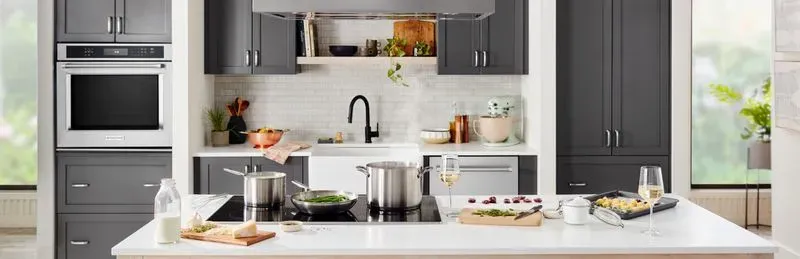
How Induction Cooktops Work
Induction cooktops offer a unique approach to culinary heat generation compared to gas cooktops. They leverage the principles of electromagnetism, eliminating the need for open flames or hot coils.
Beneath the smooth cooktop surface lies a concealed coil that generates a magnetic field when compatible cookware is placed upon the burner. This magnetic field interacts with the cookware's material properties, inducing the creation of eddy currents within the pan itself.
These eddy currents, in turn, generate heat through resistive heating, a principle akin to the friction that warms your hands when rubbed together. The cooktop surface itself remains relatively cool, as heat is produced directly within the cookware.
The precise control over heat generation allows for immediate adjustments to cooking temperature. This responsiveness is ideal for delicate dishes requiring consistent temperature management, such as simmering sauces or achieving a perfect sear on a steak.
Advantages of Induction Cooktops
-
Energy Efficiency: Induction cooktops generate heat directly in the cookware, reducing energy waste and lowering energy bills. They can be up to 90% efficient, compared to 40-55% for gas stoves and 60-70% for electric stoves.
-
Faster Cooking Times: They heat up quickly, allowing you to boil water or heat food faster than conventional methods. This can save valuable time in the kitchen, making meal preparation more convenient.
-
Precise Temperature Control: Ideal for delicate dishes, offering precise control over cooking temperatures. This precision ensures consistent cooking results, which is particularly beneficial for tasks like simmering sauces or melting chocolate.
-
Safety Features: Remain cool to the touch and often come with automatic shut-off features, reducing burn and fire hazards. The cooktop surface itself does not get hot, which minimizes the risk of accidental burns.
-
Cooler Kitchen Environment: Do not produce ambient heat, keeping your kitchen cooler. This can make cooking more comfortable, especially in the summer months or in smaller kitchens without ventilation hoods.
-
Aesthetic Appeal: Induction cooktops have a sleek, modern design that can enhance the look of any kitchen. They often come with touch controls and seamless surfaces, adding to their aesthetic appeal.
Induction Cooktop Compatibility
Induction cooktops are incredibly efficient, but they require cookware made with specific materials. Unlike traditional stoves that heat any pan placed on the burner, induction relies on magnetism to directly heat the cookware.
The secret lies in ferrous (magnetic) materials like cast iron or certain types of stainless steel. These materials interact with the cooktop's magnetic field, generating heat within the pan itself. To easily test your cookware, simply place a magnet on the bottom. If it sticks, your pan is good to go!
Not all cookware is created equal for induction cooktops. Aluminum, copper, and glass pans, for example, typically won't work unless they have a specifically designed magnetic base. Thankfully, many cookware manufacturers now clearly label their products as "induction-compatible" to simplify your shopping experience.
Beyond compatibility, the material and thickness of your cookware can influence cooking performance. Opting for pans with thicker bases ensures even heat distribution throughout the pan. This prevents hot spots that can burn your food and promotes consistent cooking results.
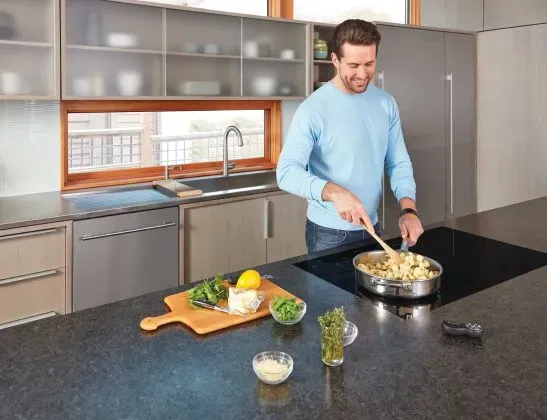
Induction Cooktop Cleaning and Maintenance
Induction cooktops are easy to clean because the surface itself doesn’t get hot, preventing spills from burning on. Here are some cleaning and maintenance tips:
-
Daily Cleaning: Wipe the surface with a soft, damp cloth and mild detergent after each use.
-
Tough Stains: For tougher stains, use a cooktop cleaner designed for glass surfaces.
-
Avoid Abrasives: Avoid abrasive cleaners or pads that could scratch the surface.
-
Cookware Maintenance: Clean the bottoms of cookware, as debris or residues can affect heat transfer.
-
Regular Checks: Regularly check for any damage to the cooktop's surface and ensure secure power connections.
Common Misconceptions About Induction Cooktops
Induction cooktops are gaining popularity, but some lingering misconceptions might be holding you back. Let's clear the air and address three common concerns:
-
Safety of Electromagnetic Fields: These fields are low-frequency and safe for home use. Extensive studies have shown that the electromagnetic fields generated by induction cooktops are well within safety standards.
-
Operational Costs: Induction cooktops are not expensive to operate; their energy efficiency can actually lead to cost savings over time. While induction cooktops may have a higher upfront cost, their durability and performance benefits often outweigh this initial investment.
-
Complexity: Modern induction cooktops have intuitive controls and pre-set cooking functions, making them user-friendly and accessible even for beginners. Most users find the controls intuitive, and the learning curve is minimal.
Choosing the Right Induction Cooktop
When selecting an induction cooktop, consider factors such as the number of cooking zones, the size and layout of your kitchen, and your cooking habits. Some models offer flexible cooking zones that can accommodate larger pots or multiple small pans simultaneously.
Additionally, look for cooktops with features like:
-
Boost Functions: For rapid heating
-
Timers: For precise cooking
-
Safety Locks: To prevent accidental activation
Additionally, reading reviews and comparing different models can also help you make an informed decision.
Installation and Electrical Requirements
Induction cooktops offer a powerful and efficient cooking experience, but their electrical needs differ from traditional stoves. Here's what you need to know:
-
Dedicated Circuit: Induction cooktops typically require a dedicated electrical circuit with higher voltage (usually 240V) compared to standard kitchen outlets. This ensures safe and optimal performance for your cooktop.
-
Potential Wiring Adjustments: Depending on your existing electrical setup, some adjustments to your kitchen's wiring might be necessary to accommodate the dedicated circuit.
-
Matching Your Kitchen's Capacity: It's crucial to ensure your kitchen's electrical capacity can handle the power requirements of your chosen induction cooktop. The manufacturer's specifications will detail the amperage needed.
-
Professional Help is Key: Given the potential for electrical work, consulting with a licensed electrician is highly recommended, especially if you're replacing a gas stove or are unsure about your existing wiring. They can assess your kitchen's electrical capacity, determine if adjustments are needed, and safely install the dedicated circuit for your induction cooktop.
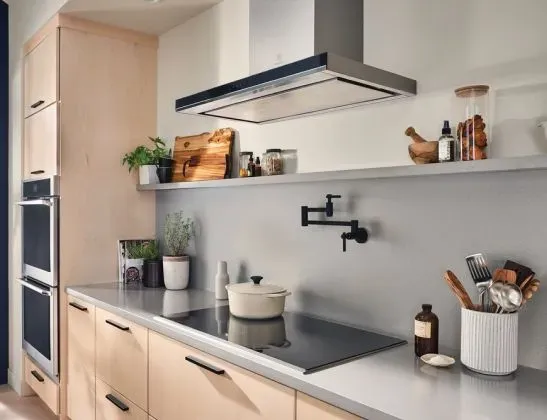
Explore Induction Cooktops at Dewaard & Bode
Induction cooktops offer many benefits, from fast cooking times to precise temperature control and easy cleaning. Understanding how they work and their compatibility requirements can help you make an informed decision about incorporating one into your kitchen.
Ready to explore induction cooktops? DeWaard & Bode strives to be the best kitchen appliance store near you! We offer the best home and kitchen appliances, from induction cooktops, electric ovens, built-in microwaves, portable dishwashers, French door refrigerators, and everything in between. Visit us at our Bellingham or Burlington store locations to browse endless appliance options and receive professional help from our appliance experts.
We pride ourselves on offering the best customer service in Washington and care about helping you build your dream home. Offering flexible financing options, in-house repair services, and assistance in finding parts, we go above and beyond to make sure you are satisfied with your purchase.
Frequently Asked Questions About Induction Cooktops
What is the difference between an induction cooktop and a regular cooktop?
Induction cooktops use electromagnetic fields to heat cookware directly, while regular cooktops (gas or electric) heat cookware indirectly through flames or electric coils.
Can I use cast iron on induction?
Yes, cast iron is compatible with induction cooktops because it is made of ferrous (magnetic) material, allowing it to conduct heat efficiently.
What should you not do with an induction cooktop?
Avoid using non-compatible cookware, abrasive cleaners, and dragging cookware across the surface to prevent scratches. Also, do not place hot lids on the cooktop as they can create a vacuum seal.
Can I use stainless steel for induction cooktops?
Yes, but it must be magnetic stainless steel. Not all stainless steel cookware is compatible, so check if a magnet sticks to the bottom to ensure it will work with induction.
Who should buy induction cooktops?
Induction cooktops are ideal for those seeking energy-efficient, fast, and precise cooking. They are also suitable for kitchens where safety and a cooler cooking environment are priorities.
Related Articles