
Built-In vs Drawer Dishwashers: What's the Difference?
Fri Dec 19 2025
- Dishwasher
If you’re shopping for a dishwasher, you’ll quickly find that not all dishwashers are created equal. Two popular styles, built-in dishwashers and drawer dishwashers (also known as “dish drawers”), serve the same purpose but differ significantly in design, capacity, convenience, and ideal use cases.
Understanding how each type works, and which best matches your kitchen habits, can save you time, energy, and maybe even money. In this post, we refresh the differences between these dishwasher styles to help you decide which one suits your home best.

What Is a Built-In Dishwasher?
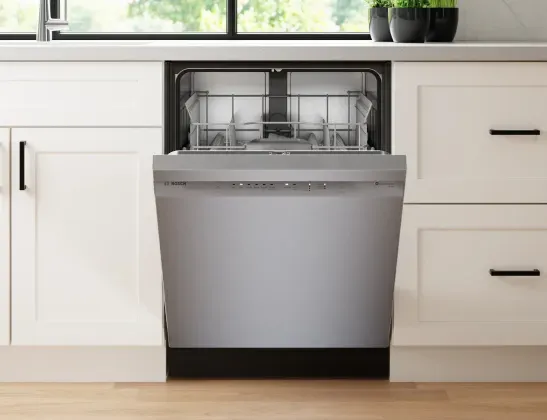
A built-in dishwasher is the traditional style many homeowners think of, installed under the kitchen counter, connected to your home’s plumbing and electrical systems, and designed to fit seamlessly within your cabinetry. These are often considered the standard choice for most households.
Key Features of Built-In Dishwashers
-
Large Capacity: Built-in dishwashers generally offer more room for plates, pots, pans, serving trays and larger items, often accommodating 12 or more place settings per cycle.
-
Seamless Kitchen Integration: Because they fit under your counter and behind cabinetry, built-ins blend nicely with kitchen design and maintain a clean aesthetic.
-
Strong Cleaning Performance: With spray arms, high-temperature wash cycles, and sensitive wash options, these units handle heavy loads and baked-on food effectively.
-
Quiet Operation & Efficiency: Many modern built-ins are insulated for quiet operation and are energy- and water-efficient when used with full loads.
When Built-In Makes Sense
Built-in dishwashers are particularly suitable if:
-
You often cook large meals or host guests
-
You have a larger household or generate many dishes per meal
-
You want a seamless look that integrates with kitchen cabinetry
-
You prefer one large cleaning load rather than multiple small ones
What Is a Drawer Dishwasher?
Drawer dishwashers (also known as dish drawers) are a more modern alternative. Instead of a single large door, they consist of one or two pull-out drawers. Each drawer operates independently, meaning you can run one drawer without the other, or both at once if you have enough dishes.
Key Features of Drawer Dishwashers
-
Flexible Load Sizes: You can run just one drawer for small loads (e.g., after a dinner for two) or both drawers for larger loads, saving water and energy when full cycles aren’t necessary.
-
Ergonomic and Accessible: The drawer-style design reduces bending — you pull out a drawer instead of leaning over a door, which some find easier on the back and more convenient for loading/unloading.
-
Space-Saving & Flexible Installation: Because of their compact footprint and drawer layout, these dishwashers can suit nontraditional kitchens or smaller spaces more easily than full-size built-ins.
-
Energy & Water Savings for Small Loads: For households that often produce small amounts of dishes, a drawer dishwasher can be more efficient than running a full built-in cycle.
Built-In vs Drawer: Head-to-Head Comparison
Here’s how the two styles stack up across the factors that matter most to homeowners:
| FACTOR | BUILT-IN DISHWASHER | DRAWER DISHWASHER |
|---|---|---|
| Capacity Per Load | High, handles large loads, pots, pans, full meals. | Smaller households, couples, light cooking days, frequent small loads |
| Best For | Families, large households, frequent cooks, heavy-duty loads | Smaller households, couples, light cooking days, frequent small loads |
| Loading Convenience | Standard door, may require bending or reaching | Drawer pull-out, easier on the back, more ergonomic |
| Energy & Water Efficiency | Efficient per full load, but less ideal for small loads | Efficient for small loads; saves water/energy when not fully loading |
| Space & Installation | Standard under-counter slot; requires plumbing and wiring | More flexibility in placement; fits smaller or compact kitchens |
| Cleaning Power | Strong, handles heavy soil, pots, pans, plates | Good for everyday dishes; may struggle with very large or heavy cookware |
| Flexibility / Use Cases | Best for full loads, dinners, parties, big households | Best for smaller loads, quick cycles, efficient day-to-day use |
Common Tradeoffs & What to Consider
Capacity vs Flexibility
Drawer dishwashers sacrifice raw capacity for flexibility. If you routinely wash a full dinner set plus pots and pans, a built-in is more practical. But if you regularly do smaller loads (e.g., for one or two people), a drawer model can reduce water and energy waste.
Cost & Complexity
Built-in units may involve higher installation costs (plumbing, cabinetry fit) and require permanent space. Drawer dishwashers can be pricier per cubic inch of capacity compared to standard built-ins, and because of their mechanical design, may have more components that require maintenance or result in higher long-term servicing costs.
Cleaning Power & Versatility
Built-ins generally have more robust spray systems and larger interiors, better for larger dishes or heavy-duty cleanup. Drawer units excel for everyday dishes and lighter loads, but may struggle with oversized cookware or very large loads.
Kitchen Layout & Lifestyle
If you have a smaller kitchen, maintain minimalist design, or want ergonomic ease, drawer dishwashers can be appealing. If you cook often, host dinners, or wash large volumes of dishes, built-ins remain the most practical.
Which Dishwasher Fits Your Home Best?
Choose a built-in dishwasher if:
-
You have a larger family or frequently cook big meals
-
You regularly wash pots, pans, trays, and large cookware
-
You prefer fewer load cycles and doing larger loads at once
-
You value strong cleaning performance and wide capacity
Choose a drawer dishwasher if:
-
You live alone or with a partner, and don’t generate many dishes per meal
-
You appreciate ergonomic loading and unloading
-
You want to save water and energy on small loads
-
You have a smaller or non-traditional kitchen layout
Explore Built-In and Drawer Dishwasher Models at DeWaard & Bode
There’s no “one size fits all” answer when it comes to built-in versus drawer dishwashers. Each style has pros and cons, and which is “better” depends on your lifestyle, kitchen setup, and dishwashing habits.
-
For large households, frequent cooks, or those who host often, a built-in dishwasher remains the most reliable, high-capacity option.
-
For smaller households, minimalist kitchens, or users who value ergonomic convenience and energy efficiency, a drawer dishwasher can be a smart, modern choice.
At DeWaard & Bode, you’ll find a full selection of dishwashers, from traditional built-in models to drawer options, so you can pick what suits your home and lifestyle. Compare both built-in and drawer-style units with a variety of configurations and features, as well as portable dishwashers if you need flexibility or space-saving solutions..
Our team is here to help you compare features, answer questions, and find the model that fits your home perfectly. Discover the best dishwasher and kitchen appliances for you from top brands and with personalized service.
Contact us or visit one of our appliance stores in Bellingham or Burlington, Washington, to speak with our appliance experts. We also offer delivery and installation services to ensure your kitchen appliances are installed with care and professionalism into your home living space.
Related readings from our blog:
FAQs: Built-In vs Drawer Dishwashers: What's the Difference?
Can a drawer dishwasher replace a built-in for a family of four or more?
Possibly, but with caveats. Drawer dishwashers have smaller capacity and may struggle with large loads (pots, pans, full dinner sets). They work best for smaller households, lighter cooking, or when you’re willing to run frequent cycles. For heavy daily cooking or entertaining, a built-in is usually more practical.
Are drawer dishwashers more water- and energy-efficient?
Yes, especially if you often run small loads. Because each drawer can run independently, you avoid wasting water and energy on half-empty cycles.
Is installation complicated for built-ins?
Built-ins require a dedicated under-counter slot, plumbing, and wiring, which may require professional installation. That said, once installed, they provide stable, permanent performance.
Are drawer dishwashers good for pots and pans or larger items?
Not always. Some drawer dishwashers may struggle with oversized items, and space inside each drawer tends to be smaller than a full built-in cavity. That said, they’re great for glasses, plates, bowls, and everyday dishware.
Which style is quieter, built-in or drawer?
Many modern built-in dishwashers have sound-insulation technologies and run quietly, quiet enough even for open-concept living spaces. Drawer dishwashers also tend to be quiet, but noise depends on the model and installation.
Related Articles