
Steam Oven vs Convection Oven: What’s the Difference?
Mon Jul 20 2026
- Cooking
If you're deciding between a steam oven vs convection oven, the right choice depends on how you cook most often. A steam oven is ideal for healthy cooking, retaining moisture, and reheating leftovers without drying them out. A convection oven, on the other hand, is better for baking, roasting, and achieving crispy, evenly browned foods thanks to its circulating hot air.
For many home chefs, neither option is universally "better"—they simply excel at different tasks. Understanding the strengths of each cooking technology can help you choose the best oven for home cooking based on your lifestyle, favorite recipes, and kitchen goals.
At DeWaard & Bode, our appliance experts help homeowners throughout Bellingham, WA, Burlington, WA, and surrounding Northwest Washington communities compare premium cooking appliances every day. In this guide, we'll explain the differences between steam and convection ovens, explore their unique benefits, and help you determine which type is the best fit for your kitchen.
Key Takeaways: Steam Oven vs Convection Oven
-
Steam ovens cook with moisture, while convection ovens circulate hot air for faster, more even cooking.
-
Steam ovens are best for healthy cooking, reheating leftovers, vegetables, seafood, and bread.
-
Convection ovens excel at baking cookies, roasting meats, and creating crispy, golden finishes.
-
Many premium kitchens now feature combination steam-convection ovens that offer the benefits of both cooking methods.
-
Your cooking habits, favorite recipes, and kitchen design should guide your decision more than appliance trends.
-
The appliance experts at DeWaard & Bode can help homeowners in Bellingham and Burlington compare premium cooking appliances and choose the right oven for their lifestyle.
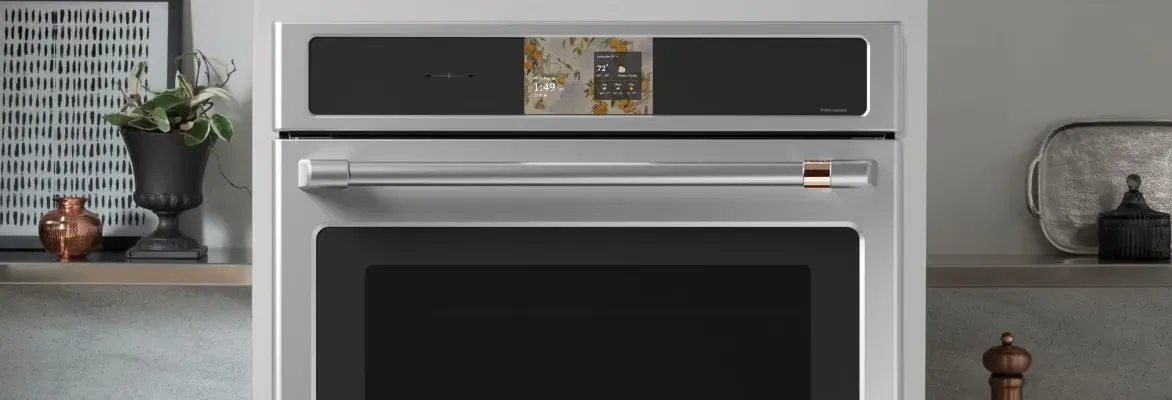
Steam Oven vs Convection Oven at a Glance
| Feature | Steam Oven | Convection Oven |
|---|---|---|
| Cooking Method | Steam | Hot air circulated by a fan |
| Best For | Vegetables, seafood, reheating, bread | Baking, roasting, casseroles, cookies |
| Browning | Minimal | Excellent |
| Moisture Retention | Excellent | Moderate |
| Crisping Foods | Limited | Excellent |
| Nutrient Preservation | Excellent | Good |
| Cooking Speed | Moderate | Faster than conventional ovens |
| Healthy Cooking | Outstanding | Very good |
| Everyday Versatility | Moderate | Excellent |
If you bake frequently, roast meats, or want an all-purpose oven for everyday meals, a convection oven is likely the better choice.
If you prioritize healthier cooking, preserving nutrients, reheating food without drying it out, or preparing delicate dishes like fish and vegetables, a steam oven offers significant advantages.
For passionate home cooks who want maximum versatility, a combination steam-convection oven delivers the best of both worlds.
What Is a Steam Oven?
A steam oven cooks food using heated steam rather than relying solely on dry heat. Water is heated inside the appliance to produce steam, which surrounds the food and cooks it gently while helping retain moisture.
Unlike boiling, where nutrients can leach into the water, steam cooking allows food to maintain more of its natural flavor, texture, and nutritional value. Because steam transfers heat efficiently, foods cook evenly without becoming dry or overcooked.
Many homeowners choose steam ovens because they produce tender meats, vibrant vegetables, and moist baked goods without the need for excessive oils or fats.
How Does a Steam Oven Work?
Steam ovens generate steam from an internal water reservoir or direct water connection. Once heated, the steam circulates throughout the oven cavity, transferring heat evenly around the food.
Because steam contains moisture, it prevents foods from drying out during cooking.
This makes steam ovens especially effective for foods that are often difficult to cook perfectly, such as:
-
Fish
-
Vegetables
-
Rice
-
Custards
-
Dumplings
-
Bread dough
Many premium steam ovens also allow users to adjust humidity levels, providing greater flexibility for different recipes.
Steam Oven Benefits
One of the biggest reasons homeowners invest in a steam oven is its ability to produce flavorful meals while preserving food quality.
Better Moisture Retention
Traditional dry heat can cause meats, poultry, and baked goods to lose moisture during cooking. Steam helps foods retain their natural juices, resulting in tender textures and richer flavors.
This is particularly beneficial when preparing lean proteins that can easily become dry in conventional ovens.
Healthier Cooking
One of the most recognized steam oven benefits is healthier meal preparation.
Because steam cooks food gently, many recipes require little to no added oil or butter. Vegetables also retain their vibrant color, texture, and more of their natural nutrients compared to some other cooking methods.
For households focused on nutritious meals, steam cooking offers an easy way to prepare fresh ingredients without sacrificing flavor.
Gentle Cooking for Delicate Foods
Steam ovens shine when preparing foods that require precision.
Delicate seafood, homemade breads, cheesecakes, custards, and vegetables all benefit from the gentle, even heat provided by steam.
The consistent cooking environment helps reduce the risk of overcooking while producing more consistent results.
What Is a Convection Oven?
A convection oven uses a built-in fan and exhaust system to circulate hot air evenly throughout the oven cavity.
Unlike a conventional oven, where heat can collect in certain areas, convection cooking continuously moves hot air around the food. This improves heat distribution and helps eliminate hot and cold spots.
The result is faster cooking, more even browning, and improved texture across a wide variety of dishes.
Today, convection technology is available in many wall ovens, ranges, and combination cooking appliances, making it one of the most popular choices for home kitchens.
How Does a Convection Oven Work?
A convection oven combines heating elements with a fan that continuously circulates hot air during cooking.
This airflow allows heat to reach all sides of the food more evenly, reducing cooking times while improving browning and crispness.
Because of this, convection ovens are particularly effective for recipes where texture matters, such as roasted vegetables, cookies, pastries, and meats with crispy skin.
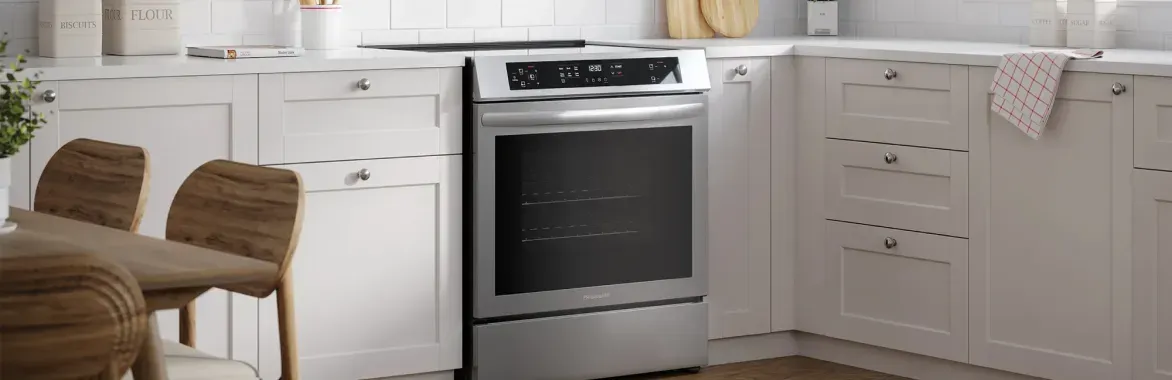
Convection Oven Benefits
There are many reasons why convection ovens remain one of the most popular cooking appliances for home chefs.
Faster Cooking Times
One of the biggest convection oven benefits is speed.
The circulating hot air transfers heat more efficiently than traditional baking, allowing many foods to cook up to 25% faster. This can be especially helpful for busy families preparing weeknight meals or holiday dinners.
Better Browning and Crisping
Convection ovens excel at creating golden, crispy exteriors.
Because moving air removes moisture from the surface of food more efficiently, convection cooking produces beautifully browned cookies, roasted vegetables, flaky pastries, and crisp-skinned poultry.
For recipes where texture is important, convection often delivers superior results.
More Even Baking
Anyone who has struggled with unevenly baked cookies or cakes can appreciate the consistency of convection cooking.
The circulating air helps maintain a more uniform temperature throughout the oven, reducing hot spots and promoting even baking across multiple racks. This makes convection ovens especially popular with home bakers who frequently prepare batches of cookies, pastries, or holiday treats.
Best for Baking
When comparing a steam oven vs convection oven for baking, the right choice depends on what you're making.
Convection Ovens: Best for Most Baking
For cookies, cakes, pies, pastries, and roasted dishes, a convection oven is typically the better option. The circulating hot air promotes even browning and helps create crisp, flaky exteriors while ensuring consistent baking across multiple racks. If you enjoy baking for family gatherings or holidays, a convection oven offers the versatility and capacity needed for a wide range of recipes.
Steam Ovens: Best for Artisan Bread
Steam ovens excel when baking breads that benefit from added humidity. Steam keeps the dough surface moist during the early stages of baking, allowing the loaf to expand fully before forming a crisp crust. This creates bakery-style bread with a chewy interior and beautifully browned exterior that can be difficult to achieve with dry heat alone.
Winner for Baking: Convection oven for everyday baking; steam oven for artisan breads and specialty baked goods.
Best for Reheating
Reheating leftovers is one area where steam ovens clearly stand out.
Steam Ovens Keep Food Moist
Traditional reheating methods often leave food dry, rubbery, or unevenly heated. Steam ovens gently reintroduce moisture while warming food evenly, helping leftovers taste closer to when they were first prepared. Pizza, pasta, rice dishes, casseroles, and roasted meats all tend to maintain better texture when reheated with steam.
Convection Ovens Work Best for Crispy Foods
Convection ovens are ideal when you want to restore crispness to foods like fries, roasted vegetables, chicken wings, or pizza crust. The circulating hot air helps crisp the exterior while reheating the interior more evenly than a conventional oven.
Winner for Reheating: Steam oven for most leftovers; convection oven for foods you want to stay crispy.
Best for Healthy Cooking
Homeowners looking to prepare healthier meals often gravitate toward steam cooking.
Steam allows food to cook without submerging it in water or relying on additional oils, helping preserve natural flavor, texture, and many heat-sensitive nutrients. Vegetables remain vibrant, seafood stays tender, and lean proteins retain moisture without excessive fat.
Convection ovens also support healthy cooking by roasting foods with less oil than frying. However, because they use dry heat, some foods may lose moisture during longer cooking times.
Winner: Steam oven for complementing the cooking style that best suits healthy food options.
Can a Steam Oven Replace a Convection Oven?
For most households, a steam oven is best viewed as a complement to a convection oven rather than a complete replacement.
While steam ovens excel at preserving moisture and preparing delicate foods, they are not designed for every cooking task. Foods that require browning, caramelization, or crisp textures, such as roasted vegetables, cookies, or casseroles, typically achieve better results in a convection oven.
Many premium kitchens now feature combination steam-convection ovens that allow homeowners to switch between cooking methods or even use both simultaneously. This versatility provides the benefits of steam cooking alongside the browning and roasting capabilities of convection technology, making combination ovens an excellent choice for passionate home chefs.
Which Oven Is Best for Home Cooking?
The best oven for home cooking depends on your everyday cooking habits and the meals you prepare most often.
A steam oven may be the better fit if you:
-
Cook vegetables, seafood, or lean proteins regularly.
-
Want to prepare healthier meals with little added oil.
-
Frequently reheat leftovers and want to maintain their original texture.
-
Enjoy baking artisan breads with crisp crusts and soft interiors.
A convection oven may be the better choice if you:
-
Bake cookies, cakes, pastries, or pies frequently.
-
Roast meats and vegetables on a regular basis.
-
Want an all-purpose oven that performs well across a variety of recipes.
-
Prefer crispy finishes and evenly browned foods.
If your budget and kitchen design allow, a combination steam-convection oven offers exceptional flexibility by bringing together the strengths of both cooking methods.
At DeWaard & Bode, our appliance experts recommend choosing an oven based on how you actually cook rather than simply selecting the newest technology. An appliance that matches your cooking style will deliver greater value and satisfaction for years to come.
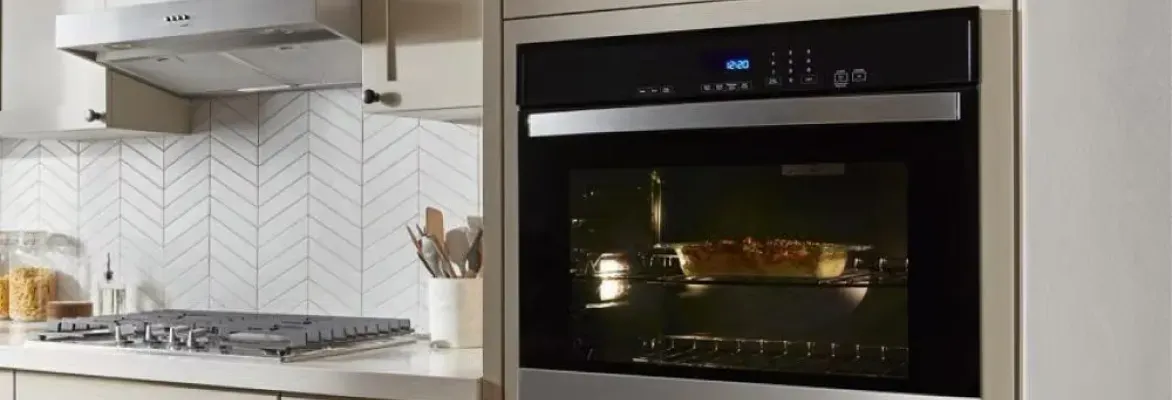
Shop Premium Cooking Appliances at DeWaard & Bode
Whether you're planning a complete kitchen remodel or replacing an existing wall oven, choosing the right cooking appliance starts with understanding how you cook every day.
The appliance experts at DeWaard & Bode can help homeowners throughout Bellingham, WA, Burlington, WA, and surrounding Northwest Washington communities compare steam ovens, convection ovens, wall ovens, cooktops, ranges, and other premium cooking appliances.
Visit a DeWaard & Bode appliance showroom in Bellingham or Burlington, Washington today to explore innovative cooking solutions from today's leading appliance brands. We'll help you find an oven that fits your cooking style, kitchen design, and long-term goals.
Related readings from our blog:
FAQs: Steam Oven vs Convection Oven
Is a steam oven better than a convection oven?
Neither oven is universally better, they simply excel at different types of cooking. Steam ovens are ideal for healthy cooking, reheating leftovers, and preserving moisture, while convection ovens are better for baking, roasting, and creating crispy, evenly browned foods. Your cooking habits and favorite recipes should determine which option is the best fit for your kitchen.
Can you bake in a steam oven?
Yes, you can bake in a steam oven, and it performs especially well when making artisan breads, rolls, cheesecakes, and other recipes that benefit from added moisture. Steam helps dough rise properly and creates crisp crusts with soft interiors. However, for cookies, cakes, pastries, and most everyday baking, a convection oven generally produces better browning and texture.
Are steam ovens healthier than convection ovens?
Steam ovens are often considered one of the healthiest cooking appliances because they prepare food using moisture instead of additional oils or fats. They also help vegetables, seafood, and lean proteins retain more of their natural texture and nutrients. While convection ovens are also a healthy alternative to frying, steam cooking offers additional benefits for moisture retention and gentle food preparation.
Is a combination steam-convection oven worth it?
For homeowners who cook frequently and want maximum flexibility, a combination steam-convection oven can be an excellent investment. It allows you to enjoy the moisture-preserving benefits of steam cooking alongside the even browning and roasting performance of convection technology. Many avid home chefs appreciate having both cooking methods available in a single appliance, especially when preparing a wide variety of meals.
Related Articles